
Starting a construction project in Australia is exciting—but also stressful. Whether you’re building a new home in Melbourne, extending a property in Sydney, or preparing a commercial tender in Brisbane, one question comes first:
How much will this actually cost me?
That’s where a preliminary estimate steps in. It’s the financial compass that guides you before big commitments are made. Think of it as the “early map” of your project budget. Not perfect, but detailed enough to tell you if your idea is realistic—or if adjustments are needed before wasting money on drawings, approvals, or detailed plans.
What is a Preliminary Estimate?
A preliminary estimate is the first cost forecast prepared at the concept stage of a project. It’s often called a “ballpark estimate” or “order-of-magnitude estimate.” Unlike a detailed estimate (done when full drawings and specs are ready), this one happens at the very beginning—when you might only have a sketch or concept in mind.
Its goal is simple: help you make smart decisions early. Do you move forward, adjust scope, or rethink the project?
Typical Cost Benchmarks in Australia
While every project is unique, Australians often want ballpark numbers. Here are indicative ranges for preliminary estimates in construction:
| Project Type | Indicative Range (AUD) | Basis of Estimate |
| Residential (basic single-storey home) | $1,800 – $2,500 per sqm | Early concept, average finishes |
| Residential (custom / high-end home) | $3,000 – $5,000 per sqm | Premium finishes, complex design |
| Small commercial fit-outs | $1,500 – $3,000 per sqm | Office, retail, hospitality |
| Large commercial/industrial projects | $2,500 – $4,500+ per sqm | Warehouses, multi-storey, healthcare |
These numbers are not final quotes—they’re meant to give you clarity at the “dreaming and planning” stage. The real value of a preliminary cost estimate in construction is that it helps you see if your budget and vision align before going further.
Why Preliminary Estimates Matter for Decision Making
Jumping straight into design without testing the budget is like booking a holiday before checking flight prices—you set yourself up for disappointment. A project that looks perfect on paper can quickly fall apart once the real costs are revealed. Taking time for a budget check gives you a reality check early on. It helps you adjust expectations and move forward with confidence, not guesswork. A preliminary construction estimate gives you confidence to decide:
- Should we move forward?
- Do we need to scale back?
- Is this project financially worth it?
In Australia, where labour shortages and material price swings can derail projects quickly, having early clarity is priceless.
Benefits of a Preliminary Estimate
Before we dive into a list, here’s the reality: spending a little now on preliminary estimating services could save you tens of thousands later.
Here’s how it helps:
- Reduces risk – filters out projects that aren’t financially viable.
- Supports approvals and funding – lenders, councils, and investors love seeing numbers early.
- Sets realistic expectations – no false promises or wasted design fees.
- Creates negotiation power – helps you adjust scope or secure better supplier terms.
- Saves time and money – you only proceed with projects that fit your financial range.
Preliminary vs Detailed Estimates
When it comes to construction planning, not all estimates serve the same purpose. A preliminary estimate is prepared early in the project when only basic sketches and limited information are available. It gives you a broad cost range to test feasibility and set an initial budget ceiling.

A detailed estimate, on the other hand, comes later—once full drawings, material lists, and supplier quotes are on hand. This version is far more precise and is used for contracts, tenders, and actual construction costs. Together, the two estimates guide you from early decision-making through to final execution with increasing accuracy and confidence.
| Aspect | Preliminary Estimate | Detailed Estimate |
| Stage | Early (concept/feasibility) | Later (pre-construction/tender) |
| Info Available | Rough sketches, limited data | Full drawings, material lists, supplier quotes |
| Purpose | Go/No-Go decision, budget ceiling | Finalised cost for contracts and construction |
| Accuracy Range | -25% to +75% | -5% to +10% |
Preliminary estimates guide decisions. Detailed estimates secure contracts.
CESOL’s Process: How We Deliver Preliminary Estimates
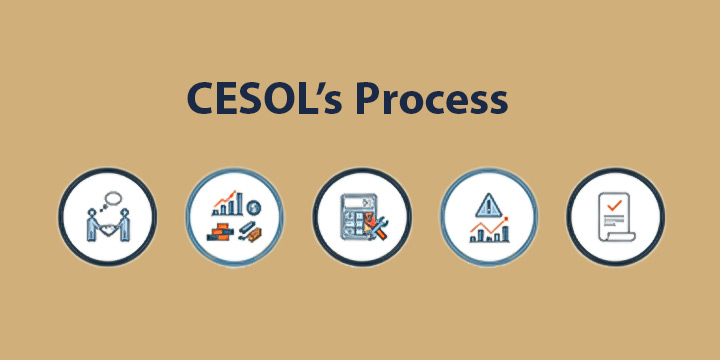
At Capstone Engineering Solutions (CESOL), our preliminary estimate services follow a clear and structured process. We take the time to understand your project, gather the right data, and apply proven methods so you can trust every figure we provide. This approach ensures accuracy, transparency, and confidence from the very first stage of planning:
- Initial Briefing – We sit with you (homeowner, developer, or contractor) to understand your goals, timeline, and budget range.
- Data Collection – We pull from historical project data, current Australian material prices, and local labour rates.
- Estimation Method – We apply parametric and analogous estimating (cost per sqm, benchmarks, past projects).
- Risk Adjustment – We highlight risks (e.g., steel price rises, weather delays) and apply a realistic cost range.
- Report Delivery – You get a clear, easy-to-read estimate report with ranges, assumptions, and recommendations—usually within 1–2 weeks depending on project size.
This isn’t just a number. It’s decision-making power in your hands.
Online Calculator vs Professional Preliminary Estimating Services
| Feature | Online Calculator | CESOL Preliminary Estimate |
| Data Source | Generic, outdated averages | Real-time Australian market data |
| Accuracy | Very rough, no local adjustment | Tailored to site, location, and project type |
| Risks Covered | None | Includes risks, contingencies, compliance factors |
| Credibility | Not valid for banks or councils | Recognised in funding and approval processes |
| Outcome | “Guess number” | Strategic decision-making tool |
Calculators give you a number. CESOL gives you clarity, foresight, and credibility. With us, you don’t just get figures, you get context behind the numbers. That means better decisions and stronger project outcomes.
Tailored Value for Different Audiences
The strength of preliminary cost estimates is that they help everyone. Owners gain early visibility into financial feasibility, contractors reduce the risk of budget blowouts, and developers can secure approvals with confidence. These estimates also guide lenders and stakeholders, building trust in the project’s direction. By clarifying costs upfront, they create alignment among all parties. Ultimately, they set the stage for smoother execution and fewer disputes down the road.
- Homeowners – avoid wasting $20k+ on design and council fees for projects that don’t fit your budget.
- Developers – build investor confidence with early, credible cost ranges.
- Contractors – qualify tenders faster and avoid sinking resources into bids that won’t stack up.
Real Example: CESOL in Action
A Sydney builder approached CESOL with a plan for a mixed-use project. The client wanted premium finishes but wasn’t sure about costs. Our preliminary estimating team prepared a report showing that, at their current scope, the project would run $50k over budget.
The client adjusted scope early, before drawings, approvals, and design fees were wasted. End result? A project that stayed within budget and a builder who avoided a financial headache.
For a more detailed breakdown of project budgeting and pricing accuracy, explore our cost estimation services
Why CESOL is Australia’s Trusted Partner
At CESOL, we don’t just provide numbers. We provide foresight. Our preliminary construction estimating services give you clarity on:
- True project feasibility.
- Risks that could inflate costs later.
- Realistic pathways to stay within budget.
From residential extensions to large commercial projects, we’re trusted across Australia to guide smarter, faster, and safer decisions.
Final Thoughts
A preliminary estimate is not just about cost—it’s about clarity, confidence, and control. It’s your first safeguard against wasted money and unrealistic expectations.
In Australia’s volatile construction market, where prices shift and approvals drag, having a preliminary construction estimate means you make decisions with eyes wide open. And with CESOL by your side, you get not just a number—but a strategy.
FAQs
It’s the first cost forecast at the concept stage, used to check if a project is realistic and worth pursuing. It gives stakeholders an early financial picture. This helps guide decisions before committing significant resources.
Usually within -25% to +75%, depending on available information. The more design details you provide, the more precise the figure becomes. Early estimates set expectations and highlight potential risks.
They factor in local prices, risks, and compliance—things online calculators miss. Professionals bring market insight that improves reliability. This reduces costly surprises during later project stages.
CESOL usually delivers within 1–2 weeks, depending on project size. Simple projects may be quicker, while complex ones require more review. The goal is always accuracy without unnecessary delays.
They reduce financial risk, save time, strengthen approvals, and help align scope with budget. Clear numbers improve communication with stakeholders. They also provide confidence to move forward strategically.
A preliminary estimate is an early-stage cost forecast prepared at the concept stage of a project to test feasibility. It provides a ballpark figure that helps decide whether a project is financially viable before detailed planning begins.